
Multi-Location Inventory Management Software: Real-Time Stock Sync & Batch Tracking
Short answer
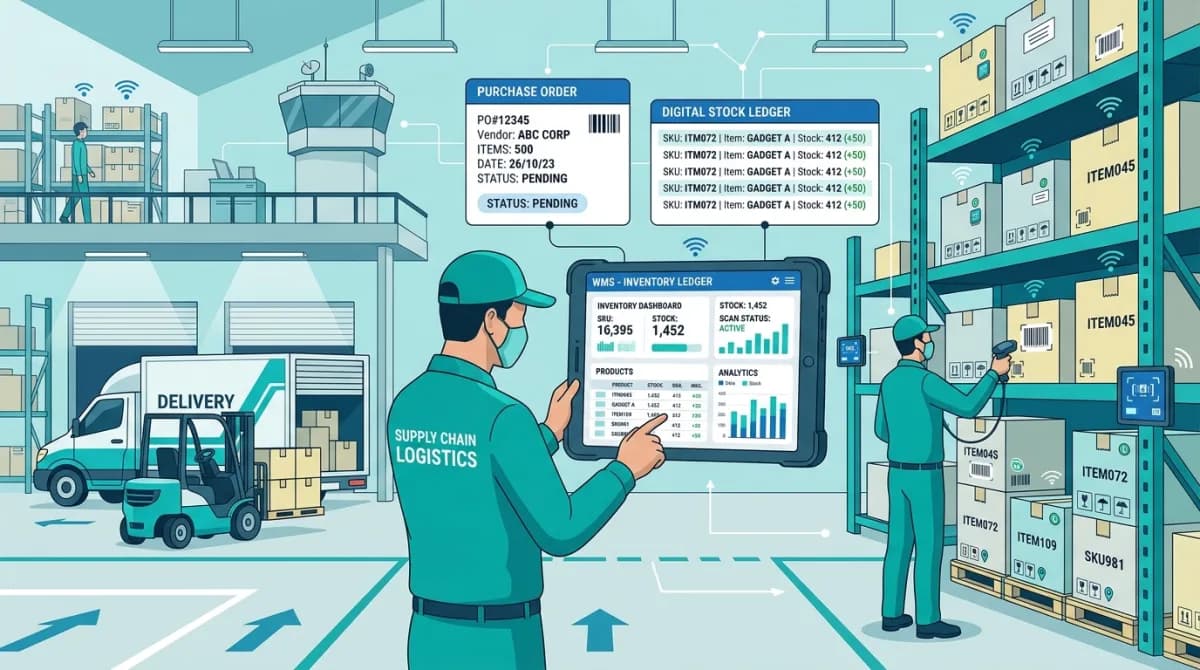
Multi-location inventory management software centralizes stock tracking across distributed warehouses, retail storefronts, and third-party fulfillment centers into a synchronized database. By hosting on private server infrastructure, wholesale and retail enterprises eliminate per-location subscription fees, automate low-stock reorder thresholds, maintain batch traceability for regulated goods, and execute accurate inter-facility stock transfers without recurring platform commissions.
The Challenge of Multi-Warehouse Stock Visibility
Expanding commercial distribution across multiple fulfillment hubs, regional depots, and retail outlets introduces significant inventory tracking complexities. When physical stock counts become desynchronized between locations, businesses suffer from stockouts, backorders, and costly emergency inter-branch transfers.
Commercial cloud inventory platforms often charge heavy monthly subscriptions scaled to the number of registered warehouse locations, managed SKUs, and user logins. As trading volume grows, these recurring subscription tiers consume gross trading margins.
Deploying a self-hosted inventory management platform provides centralized control. Enterprises run on dedicated private infrastructure, synchronize real-time stock balances across all facilities, and eliminate vendor-imposed tier limits.
Key Operational Capabilities in Dino Inventory
TechDino Dino Inventory coordinates stock intake, warehouse transfers, and batch traceability with high operational accuracy:
- Real-Time Multi-Location Balances: Instant visibility into available, allocated, and in-transit stock counts across regional warehouses and branches.
- Lot Batch & Expiry Date Management: Complete traceability for food, pharmaceuticals, and perishable goods with automated FIFO and FEFO picking rules.
- Inter-Warehouse Transfer Workflows: Digital transfer orders with dispatch checklists, transit tracking, and intake discrepancy reporting.
- Automated Reorder Thresholds: Dynamic minimum and maximum inventory limits that trigger automated supplier purchase order drafts.
Financial Comparison: Per-Location SaaS vs. Self-Hosted Dino Inventory
| Expense Category | Commercial Cloud Inventory SaaS | TechDino Dino Inventory (Self-Hosted) |
|---|---|---|
| Warehouse Location Fees | $150 - $400 / location / month | Single commercial deployment license |
| User Seat Licensing | $30 - $75 / warehouse user / month | Broad internal team access |
| SKU Volume Surcharges | Tiered fees above 10,000 SKUs | No artificial database record limits |
| Private VPS Hosting | Included in high vendor subscription | $25 - $50 / month on private cloud VPS |
| 3-Year Total Cost (5 Locations) | $45,000 - $85,000+ | Predictable baseline maintenance post-handover |
Technical Architecture and ERP Synchronization
Dino Inventory is developed using a robust TypeScript and Node.js stack with PostgreSQL relational storage. ACID transactions ensure stock balances update atomically during concurrent sales order allocations, preventing phantom inventory counts.
The platform provides RESTful API endpoints and webhook listeners that connect seamlessly with point-of-sale systems, e-commerce storefronts, and third-party accounting applications. Companies receive complete database schemas and deployment scripts for private hosting.
Frequently Asked Questions
Frequently Asked Questions
Can warehouse staff perform periodic cycle counts using mobile devices?
Yes. Staff can use the responsive mobile web interface on smartphones or handheld terminals to perform physical stock counts without halting warehouse operations.
How does the software handle stock reserved for pending customer orders?
The system distinguishes between on-hand inventory and available-to-promise inventory, automatically allocating stock upon order confirmation to prevent accidental overselling.
Can custom barcode labels be printed directly from the system?
Yes. Administrators can generate and print Code 128 and QR barcode labels formatted for thermal label printers during purchase order receiving.
Can the inventory platform track vendor lead times and supplier performance?
Yes. The procurement module calculates historical supplier fulfillment durations and discrepancy rates, enabling purchasing managers to optimize safety stock parameters based on empirical supplier reliability.
Explore Next
- See our Dino Inventory multi-warehouse management
- Learn about our custom software development
Need Setup or Custom Coding?
Get in touch to rebrand or customize our ready-made products, or discuss custom development services. All quotes are customized and private.
Related Articles
Subscription Milk & Daily Delivery Software: Route Dispatch and Wallet Billing
Learn how self-hosted subscription delivery software automates daily morning dispatch routes, prepaid customer wallets, and dynamic recurring delivery schedules.
LLM-First SEO: How to Rank in Modern Search and AI Retrieval Engines
A technical guide to LLM-first SEO: structuring web applications for dual discovery across search engine crawlers and large language model ingestion pipelines.