
Multi-Tenant SaaS Billing Architectures: Flat Self-Hosted vs Usage Metering
Short answer
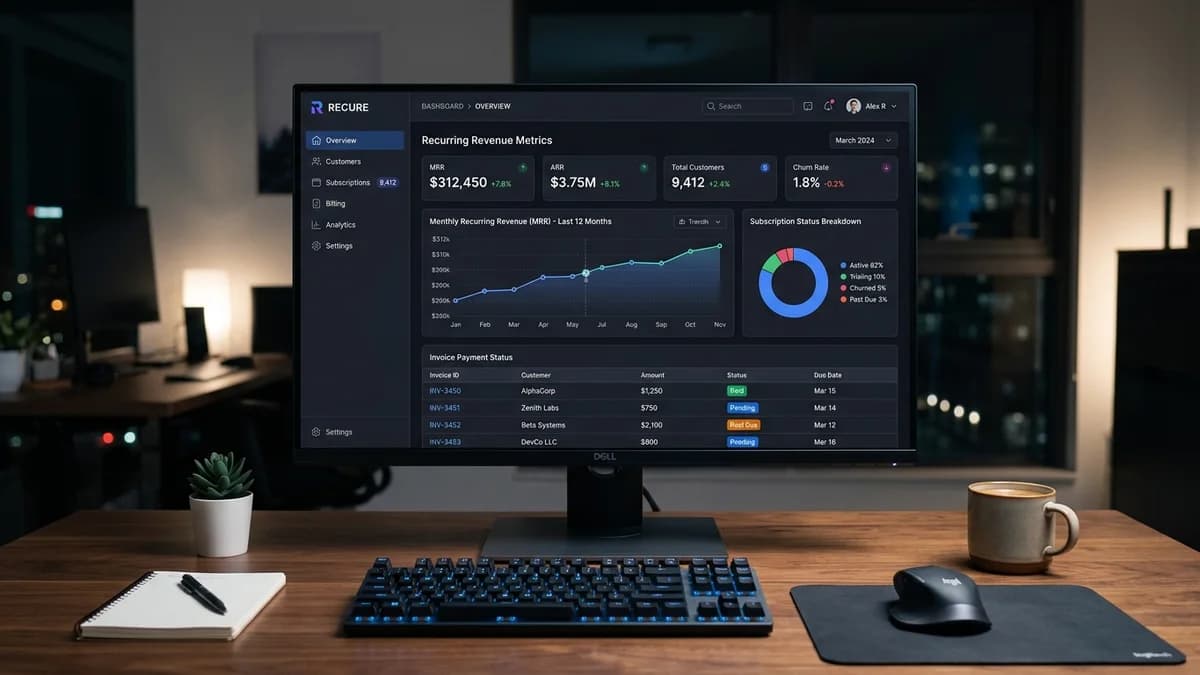
Multi-tenant SaaS architectures support various monetisation models, including flat-fee subscription tiers, seat-based licensing, and metered usage billing. While public multi-tenant platforms extract recurring fees from every end-user transaction, client-hosted white-label deployments allow operators to collect 100% of customer payments directly through their own payment gateways, eliminating vendor platform commissions and variable middleware surcharges.
Choosing the optimal billing architecture is one of the most critical decisions when launching a software-as-a-service platform. A mismatch between your pricing model and technical billing engine leads to revenue leaks, complex tax calculation failures, and customer frustration during plan upgrades.
Three Dominant SaaS Billing Models
Modern multi-tenant platforms generally implement one of three billing architectures depending on operational costs and user persona:
- Tiered Feature Licensing: Customers choose between Basic, Professional, and Enterprise plans with predetermined feature flags enabled in the application context.
- Per-Seat / User Licensing: Monthly charges scale linearly based on active staff accounts registered under the organization's tenant workspace.
- Usage-Based Metering: Billing calculated dynamically based on consumable events, such as API calls made, gigabytes of storage consumed, or invoices dispatched.
- Hybrid Flat + Overage Model: Predictable baseline subscription fee that includes an allocation bucket, transitioning to automated metered overage charges once exceeded.
Billing System Architectural Comparison
| Billing Strategy | Implementation Complexity | Revenue Predictability | Customer Value Alignment |
|---|---|---|---|
| Flat-Fee Tiers | Low complexity (Stripe Checkout / Customer Portal) | High (Predictable Monthly Recurring Revenue) | Moderate (Light users subsidize power users) |
| Per-Seat Licensing | Moderate (Seat count tracking in tenant database) | High (Tied to customer company headcount) | High for collaborative software tools |
| Metered Usage Billing | High (Event streaming queues and aggregation jobs) | Variable (Fluctuates with customer business activity) | High (Customers pay strictly for value received) |
| One-Time White-Label | Low (Direct invoice or one-time license purchase) | Capital-intensive upfront cash flow | High for enterprise buyers avoiding recurring fees |
Learn more about our SaaS Development Services and review our white-label ready platforms like RetailDino POS.
Webhook Reconciliation and Dunning Management
A robust billing pipeline must gracefully handle asynchronous payment events. When a customer's credit card fails renewal, webhook workers update tenant account states to 'past due', trigger automated grace-period notification emails, and restrict access only after multiple failed retry attempts over a configured dunning cycle.
Frequently Asked Questions
Architecting Your Next SaaS Platform
Build a reliable recurring revenue engine tailored to your market. Consult with TechDino to design a scalable multi-tenant SaaS architecture with custom billing integrations.
Frequently Asked Questions
How does tenant database isolation work in multi-tenant SaaS billing?
Tenants are segmented using isolated schemas or row-level security policies (`tenant_id`), ensuring billing data and user records remain completely segregated.
Can regional payment gateways like UPI, Pix, or Tabby be supported alongside Stripe?
Yes. The billing service abstracts gateway logic behind a standardized checkout interface, allowing seamless multi-currency and regional gateway additions.
How are automated prorated upgrades handled when a customer changes plans mid-month?
The payment engine calculates the remaining unused subscription value from the current tier and credits it against the upgraded subscription invoice automatically.
Can white-label buyers rebrand the customer billing portal?
Yes. All customer-facing invoices, receipt emails, and plan management screens can reflect your custom domain, business logo, and tax IDs.
Explore Next
- See our RetailDino POS & inventory SaaS
- Learn about our SaaS platform engineering
Need Setup or Custom Coding?
Get in touch to rebrand or customize our ready-made products, or discuss custom development services. All quotes are customized and private.
Related Articles
Multi-Tenant Auto Repair & Garage Management SaaS: Architecture and Feature Checklist
A technical deep dive into architecting a multi-tenant automotive repair SaaS: digital job cards, spare parts inventory, mechanic bays, and automated tenant onboarding.
RetailDino Review: Cloud POS, Inventory & Multi-Tenant Retail SaaS Platform
An in-depth technical review of RetailDino SaaS, evaluating its sub-100ms cloud POS billing engine, Flutter mobile barcode scanner, multi-tenant database isolation, inventory stock ledgers, and SaaS commercial viability.